


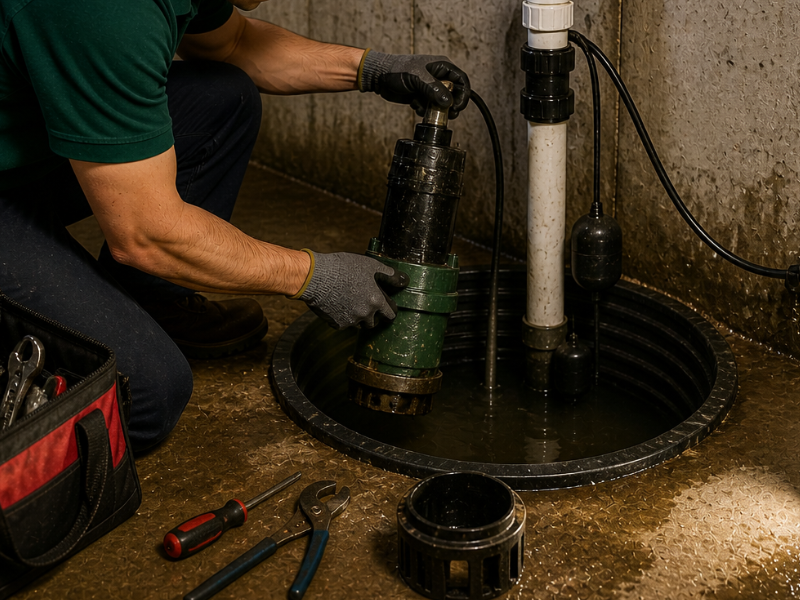
When the snow finally melts and spring rain rolls in, most homeowners are thinking about cleaning up the yard — not what's happening downstairs in the basement.
But this is exactly the time of year when basements are most at risk. Between heavy rain, saturated ground, and rising water tables, your sump pump becomes one of the most important systems in your home. And if it fails when you need it most, the result is rarely minor. Wet floors, damaged belongings, mold growth, and expensive cleanup can follow fast.
The good news is simple. A little attention now can dramatically reduce your risk later.
Here's how to make sure your sump pump is ready before the next big storm hits.
Why Sump Pump Season Matters
Sump pump season typically starts in early spring and can stretch through heavy summer storms — especially in areas like Western New York where snowmelt and rainfall overlap. During this time, water collects around your home's foundation more frequently. Your sump pump's job is to automatically remove that water before it can rise into your basement.
Why it matters
If your sump pump is not working properly, water has nowhere to go. Even a short failure during a heavy storm can lead to flooding within hours.
How to Test Your Sump Pump Before You Need It
The easiest way to avoid a basement emergency is to test your sump pump before storm season is in full swing. Here is a simple way to do it:
- Locate your sump pit (usually in the basement floor)
- Pour a bucket of water into the pit slowly
- Watch to see if the pump turns on automatically
- Make sure the water is discharged outside your home properly
- Confirm the pump shuts off once the water is gone
What you are looking for
A smooth cycle where the pump turns on, removes water, and shuts off without struggling or making unusual noises. If anything seems slow or inconsistent, that is a warning sign.
Warning Signs Your Sump Pump May Be Failing
Sump pumps rarely fail without giving some clues first. The key is knowing what to listen and look for. Watch for these common issues:
- Strange noises like grinding or rattling
- The pump running constantly or not shutting off
- Vibrations that feel stronger than normal
- Water not being discharged far enough from the home
- Visible rust or corrosion on the unit
- A pump that does not turn on during testing
Why it matters
These signs often point to motor wear, clogged discharge lines, or electrical issues. Ignoring them increases the risk of failure during a storm when you need it most.
Simple Maintenance That Makes a Big Difference
A sump pump does not require constant attention, but a little routine care goes a long way. Here are a few practical maintenance steps homeowners can handle:
Keep the pit clean
Remove debris, gravel, or sediment that could clog the pump or float switch.
Check the discharge line
Make sure water is flowing freely outside and not blocked by dirt, ice, or landscaping.
Test the float switch
The float is what tells your pump when to turn on. It should move freely without sticking.
Inspect the power source
Make sure the pump is plugged in securely and consider a backup battery system if you lose power during storms.
Why it matters
Most sump pump failures are not caused by major breakdowns. They are caused by simple issues like blockages, stuck switches, or lack of power.
When to Call a Professional
Some sump pump issues are easy to spot, but not always easy to fix safely or correctly. It is a good idea to call a professional if:
- The pump fails your water test
- You hear loud or unusual mechanical noises
- The system runs constantly without shutting off
- There is visible damage or heavy rust
- You are unsure how old your pump is or how well it is working
A plumbing professional can check the full system — including the discharge line, check valve, and electrical components — to make sure everything is operating as it should.
A Dry Basement Starts Before the Storm
Most basement flooding problems do not happen because of extreme weather. They happen because a small issue went unnoticed until it became a bigger one. The best time to prepare your sump pump is not during a storm — it is now, when you still have time to make sure everything is working properly.
A quick inspection or sump pump tune-up can help you:
- Prevent costly water damage
- Avoid emergency repairs
- Protect stored belongings
- Keep your basement dry and usable all season long
If you have not tested your sump pump yet this year, now is the time. A few minutes of preparation can save you from a very stressful and expensive problem later.
If you notice signs of sump pump problems or want peace of mind before heavy rain arrives, contact NOCO Plumbing today. Our team provides professional sump pump maintenance, plumbing repairs, and preventative plumbing maintenance throughout Buffalo, NY to help keep your basement dry and your home protected year-round.

