


If your energy bill makes you do a double take every summer, you're not imagining things.
It's a common pattern. Mild spring bills, then suddenly July and August hit and your costs jump way higher than expected. And it's frustrating, especially when it feels like you're not doing anything different.
The truth is, your home is working harder in the summer. But once you understand why, there are some very real — and doable — ways to get those costs back under control. Let's break it down.
1. Your AC Is Doing the Heavy Lifting
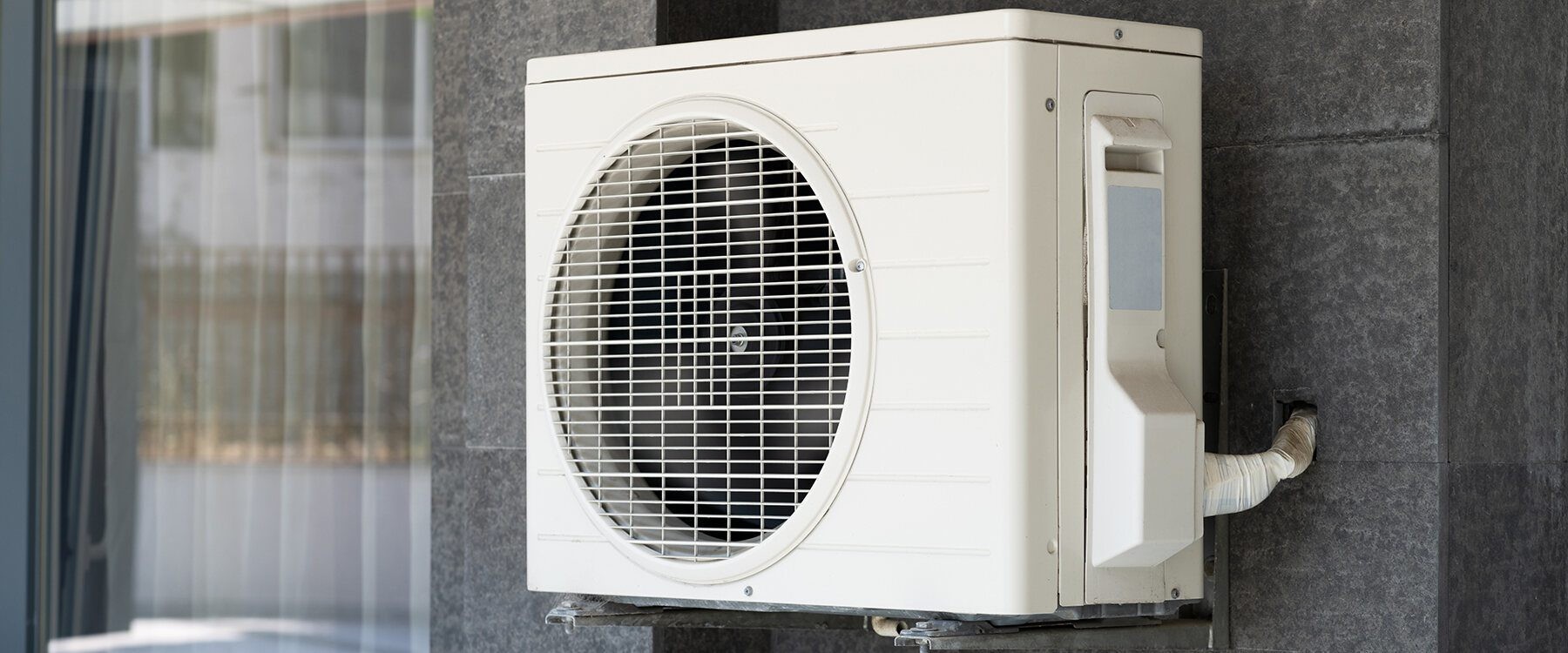
Your air conditioner is usually the biggest driver of summer energy bills. On hot, humid days, it can run for hours at a time just to keep your home comfortable.
Why it adds up
Cooling your home isn't just about lowering the temperature — it's also about removing humidity. That takes energy, especially if your system is older or not running efficiently.
What you can do:
- Set your thermostat a few degrees higher when you're home — even 2 to 3 degrees helps
- Use ceiling fans so it feels cooler without overworking your AC
- Replace your air filter regularly — a clogged filter restricts airflow
- Schedule a seasonal AC tune-up to improve efficiency
2. Heat Is Sneaking Into Your Home
Even with the AC running, your home is constantly gaining heat from the sun, your roof, your walls, and especially your windows.
Why it adds up
The more heat that gets in, the harder your AC has to work to remove it. It's like trying to cool your house with the windows cracked open.
What you can do:
- Close blinds or curtains during the hottest part of the day
- Use blackout or thermal curtains on sun-facing windows
- Add weatherstripping around doors and windows to seal leaks
- Consider attic insulation upgrades to block heat from above
Why insulation matters in summer
Most people think insulation is just for winter. It actually helps keep heat out in the summer too. A poorly insulated attic can turn into a heat trap, pushing that warmth right into your living space.
3. Your Appliances Are Adding to the Heat
Your oven, dryer, dishwasher, and even your lighting can all add extra heat inside your home.
Why it adds up
That extra indoor heat forces your AC to work even harder to bring the temperature back down.
What you can do:
- Grill outside instead of using the oven when you can
- Run the dishwasher and laundry at night when it is cooler
- Switch to LED bulbs — they produce less heat and use less energy
- Air dry clothes occasionally to reduce dryer use
4. You Might Be Paying More During Peak Hours
Depending on your utility, electricity can cost more during high demand times — usually late afternoon and early evening.
Why it adds up
That is exactly when your AC is working hardest — and when everyone else's is too.
What you can do:
- Pre-cool your home earlier in the day when rates are lower
- Avoid running major appliances during peak hours
- Look into your utility's rate structure — you might have options
5. Your Home Might Be Leaking Conditioned Air
If cool air is escaping through gaps, ducts, or poorly sealed areas, your AC has to keep replacing it.
Why it adds up
You are essentially paying to cool air that never stays in your home.
What you can do:
- Seal visible gaps around windows, doors, and vents
- Check for duct leaks, especially in attics or basements
- Add insulation where your home is most vulnerable
Where energy loss commonly happens
- Attics, which are often the biggest culprit
- Around windows and doors
- Ductwork running through unconditioned spaces
6. Your Thermostat Might Be Working Against You
If you are manually adjusting your thermostat throughout the day — or forgetting to adjust it at all — you could be using more energy than necessary.
Why it adds up
Cooling an empty house or overcooling at night wastes energy without improving comfort.
What you can do:
- Upgrade to a smart thermostat
- Set a schedule that matches your daily routine
- Use features like remote control and learning modes
Why smart thermostats are worth it
They automatically adjust your home's temperature based on when you are there, asleep, or away. Many homeowners see noticeable savings simply by reducing unnecessary cooling time.
7. You Don't Know What You Don't Know Yet
Sometimes the biggest issue is not obvious. That is where a home energy assessment comes in.
What it does
A professional will evaluate how your home uses and loses energy by looking at insulation, airflow, ductwork, and system efficiency. Instead of guessing, you get a clear picture of:
- Where you are losing energy
- What is costing you the most
- Which upgrades will have the biggest impact
What to prioritize after an assessment
- Air sealing — often low cost and high impact
- Attic insulation improvements
- HVAC efficiency upgrades
- Smart controls like thermostats
Take Back Control of Your Summer Energy Bills
High summer energy bills can feel unavoidable, but they are usually the result of a handful of fixable issues. You do not need to overhaul your entire home overnight. Start with a few small changes:
- Adjust your thermostat habits
- Block heat from entering your home
- Reduce unnecessary energy use
Then, if you want to go further, look into insulation upgrades, smart thermostats, or a professional energy assessment to uncover bigger opportunities. The key is this: you have more control than you think. And the earlier you take action, the more you will save — not just this summer, but every summer after.
If you need help evaluating your home’s energy efficiency or finding ways to take back control of your summer energy bills, contact NOCO today. Our team provides professional home energy services, cooling solutions, and HVAC support throughout Buffalo and Rochester, NY to help homeowners stay comfortable while improving energy efficiency year-round.

